
A U.S. Surrogacy Guide for Cancer Survivors: From Fertility Preservation to Embracing New Life
RSMC provides comprehensive international assisted reproduction services that are transparent, professional, and reassuring. Nearly 30 years of experience helping every family.
Dr. Olivia Bennett, Fertility and Family-Building Specialist
Medical writer and fertility consultant focused on surrogacy, egg freezing, IVF, and family-building education, with experience translating complex reproductive health topics into clear patient-friendly guidance.
I am Dr. Olivia Bennett, a reproductive medicine writer and consultant focused on surrogacy, egg freezing, IVF, and family building. I have provided U.S. surrogacy and fertility preservation planning for more than 200 cancer survivor families. This guide is intended for patients and families who are undergoing or have completed cancer treatment and wish to preserve their fertility. It systematically outlines the complete path from fertility preservation decisions to implementing a U.S. surrogacy plan. Key takeaway: consulting a reproductive specialist and completing fertility preservation as early as possible before cancer treatment offers the best protection for achieving your post-recovery family-building goals.
What Is Cancer-Related Fertility Preservation?
Cancer treatments such as chemotherapy and radiation may damage ovarian or testicular function, significantly reducing or even eliminating fertility. Fertility preservation refers to preserving reproductive potential before cancer treatment begins by freezing eggs, sperm, embryos, or ovarian tissue, then using assisted reproductive technologies such as IVF after treatment and recovery to achieve a pregnancy. For women whose uterine environment has been damaged by cancer treatment or who cannot carry a pregnancy for medical reasons, third-party assisted reproduction, or surrogacy, is an important alternative. The U.S. Centers for Disease Control and Prevention (CDC) recommends that all cancer patients with future family-building goals consult a reproductive specialist before treatment.
Statistics show that approximately 1 in 48 women of reproductive age in the United States is a cancer survivor, and the five-year survival rate for many common cancers now exceeds 85%. This means that more and more cancer survivors are facing the question of whether they can still have a biological child after treatment. The good news is that with modern reproductive medicine, the answer is often yes — provided that fertility preservation is performed before or shortly after cancer treatment begins.
6 Major Fertility Preservation and Surrogacy Options for Cancer Patients
Embryo Freezing
Eggs and sperm are combined through IVF to create embryos, which are preserved using vitrification. The live-birth rate after thaw and transfer reaches 69% (RSMC data), compared with an industry average of only 47.5%. This option is suitable for patients with a partner or those willing to use donor sperm. Embryo freezing is often considered the most reliable fertility preservation method because embryos have a higher survival rate after thawing compared to eggs alone.
💡 Tip: For cancer patients with a partner, embryo freezing offers the highest success rates among all preservation methods.
Egg Freezing
Suitable for single women without a partner. Mature eggs are retrieved after ovarian stimulation and vitrified, with a thaw survival rate of up to 92.2% (RSMC data). Freezing before age 35 is recommended to preserve higher-quality eggs. For cancer patients, egg freezing is often the preferred option because it does not require a partner and can be completed within a 2-week window before chemotherapy begins.
💡 Tip: The number of eggs retrieved depends on age and ovarian reserve. A reproductive specialist can estimate your expected egg yield with an AMH blood test and ultrasound.
Sperm Freezing
Male patients freeze semen samples before treatment. The process is simple and relatively low-cost, and the samples can be used for IVF or ICSI after recovery. Collecting multiple samples before chemotherapy is recommended to increase the number of available samples. Sperm freezing is the easiest fertility preservation method — it requires no surgery, takes only minutes, and is covered by many insurance plans.
💡 Tip: Ideally, 2–3 samples should be collected with 48–72 hours of abstinence between collections, if the cancer treatment schedule allows.
Ovarian Tissue Freezing
Suitable for prepubertal girls or patients who cannot delay treatment. Ovarian tissue is surgically removed and cryopreserved, then may be transplanted back into the body in the future to restore endocrine and reproductive function. This is the only option available for prepubescent children and is also useful for patients who need to begin chemotherapy within a few days.
💡 Tip: Ovarian tissue freezing can be performed within 1–2 days, making it ideal for patients with extremely urgent cancer treatment needs.
Donor Egg Program
When a patient's own eggs are no longer usable after cancer treatment, donated eggs from an egg bank may be used. RSMC's in-house egg bank has more than 3,500 rigorously screened donors, with only approximately 4% accepted into the bank. The pregnancy rate using donor eggs from the egg bank reaches 87%. Donor eggs give cancer survivors the opportunity to experience pregnancy and parenthood with a child genetically related to them in part (if their partner's sperm is used).
Third-Party Surrogacy
When a patient cannot carry a pregnancy, third-party surrogacy can make family building possible. California law expressly permits surrogacy, and RSMC provides physician-led management throughout the process. Surrogacy involves a gestational carrier who carries the embryo created from the intended parents' (or donors') genetic material. This allows cancer survivors to have a biological child even when their own uterus has been compromised by radiation, surgery, or hormonal therapies.
Quick Answer: 7 Things to Do Immediately After a Cancer Diagnosis
- Consult a reproductive specialist immediately to assess the fertility preservation window, which typically requires 2–4 weeks
- Choose a preservation method: embryo freezing, egg freezing, sperm freezing, or ovarian tissue freezing
- Complete ovarian stimulation and egg or sperm retrieval before chemotherapy or radiation; do not delay
- Assess whether PGT-A or PGT-M genetic testing is appropriate, especially if there is a family history of inherited disease
- If you cannot carry a pregnancy, evaluate surrogacy options and budget at the same time for more confident advance planning
- Choose a reproductive center with CAP and CLIA-certified laboratories to help ensure embryo culture quality
- Confirm legal protections: understand California surrogacy law and sign a formal contract
Preparation Checklist: What Do You Need?
- Proof of cancer diagnosis and a detailed treatment plan for reproductive specialist evaluation
- A joint consultation between your oncologist and reproductive specialist
- A fertility preservation budget, typically $5,000–$15,000
- A legal reproductive center; California in the U.S. is a surrogacy-friendly jurisdiction
- If surrogacy is needed, learn about California surrogacy law and the fee structure in advance
- Preparation for psychological support and family communication
💡 Additional Considerations
- Age matters: The younger you are when you freeze eggs or embryos, the higher your chances of success. Women under 35 have the best outcomes.
- Cancer type matters: Some cancers and their treatments are more gonadotoxic (harmful to reproductive organs) than others. Your oncologist can advise on the specific risks.
- Hormone-sensitive cancers: For breast cancer patients, the ovarian stimulation protocol may require special adjustments to avoid high estrogen levels. RSMC's specialists are experienced in tailoring protocols for these cases.
Step-by-Step Guide: From Cancer Diagnosis to a U.S. Surrogacy Journey
Joint Consultation With Oncology and Reproductive Specialists
Confirm the treatment plan and timing window with your oncologist while scheduling a fertility assessment with a reproductive specialist. Based on your age, diagnosis, and treatment plan, the reproductive specialist will recommend the most appropriate fertility preservation option. This consultation typically includes a blood test for AMH (anti-Müllerian hormone), an ultrasound to count antral follicles, and a discussion of your specific cancer treatment timeline.
✅ Success marker: You have a clear fertility preservation plan and treatment window
⚠️ Common mistake: Waiting until treatment has begun to consider fertility preservation and missing the window
Choose a Fertility Preservation Option
Choose according to your circumstances: embryo freezing for patients with a partner, egg freezing for single women, sperm freezing for men, or ovarian tissue freezing for prepubertal girls. Your reproductive specialist will help you weigh the pros and cons of each method based on your cancer type, treatment urgency, age, and relationship status.
✅ Success marker: You have selected an option and understand the full process and timeline
⚠️ Common mistake: Delaying the optimal freezing opportunity because of indecision
Complete Ovarian Stimulation and Egg or Sperm Retrieval
Before cancer treatment begins, undergo approximately 10–14 days of ovarian stimulation followed by minimally invasive egg retrieval. Men provide a semen sample through masturbation for freezing. For breast cancer patients with hormone-sensitive tumors, RSMC uses letrozole-based stimulation protocols that maintain estrogen levels within a safe range.
✅ Success marker: Enough eggs, sperm, or embryos have been successfully retrieved and frozen
⚠️ Common mistake: Underestimating the length of the stimulation cycle and failing to allow enough time
IVF and Embryo Culture
Fertilization and embryo culture take place in a CAP- and CLIA-certified embryology laboratory. RSMC's laboratory supports embryo culture for up to 7.5 days, allowing development to the blastocyst stage to be observed. Extended culture to the blastocyst stage (day 5–7) is important for selecting the most viable embryos and is a key factor in the high success rates reported by experienced centers.
✅ Success marker: A sufficient number of high-quality blastocysts is obtained
⚠️ Common mistake: Choosing a facility whose laboratory certifications do not meet standards, affecting embryo quality
PGT Genetic Testing
Trophectoderm biopsy is performed on blastocysts for PGT-A, which screens for chromosomal aneuploidy, or PGT-M, which tests for single-gene disorders. Embryos that are chromosomally normal and free of identified genetic disease can then be selected for transfer. For cancer patients with known hereditary cancer syndromes (e.g., BRCA1/BRCA2 mutations, Lynch syndrome), PGT-M can identify and select embryos that do not carry the familial mutation.
✅ Success marker: You have received the genetic testing report and confirmed which embryos are available for transfer
⚠️ Common mistake: Failing to understand the difference between PGT-A and PGT-M and choosing without proper guidance
Embryo Cryopreservation
Embryos that pass PGT screening are vitrified and stored until cancer treatment is complete and the patient has recovered before transfer. RSMC uses state-of-the-art vitrification technology with an electronically monitored liquid nitrogen storage system, ensuring the integrity of your embryos for many years.
✅ Success marker: The embryos are safely placed in storage and remain in good cryopreserved condition
⚠️ Common mistake: Choosing a facility with inadequate liquid nitrogen storage management
Cancer Treatment and Recovery
Complete oncology treatment as planned, including chemotherapy, radiation, and surgery, and focus on physical recovery under medical supervision. Many patients feel that knowing their fertility is safely preserved provides significant emotional comfort during the difficult period of cancer treatment. After treatment, your oncologist will determine when you are medically cleared to pursue pregnancy.
✅ Success marker: Treatment is complete and your doctor confirms that your health has recovered well
⚠️ Common mistake: Neglecting monitoring of reproductive function during recovery
Assess Surrogacy or Carrying a Pregnancy Yourself
After recovery, assess the uterine environment. If carrying a pregnancy is medically appropriate, proceed with frozen embryo transfer; if not, begin the surrogacy process. RSMC offers three surrogacy options: the Fixed Expense Plan, Birth Guarantee Plan, and VIP-3 Worry-Free Baby Plan. Each plan is designed for different needs and risk tolerances, and our international patient coordinators will guide you through the entire process, including matching with a gestational carrier, legal agreements, and medical management.
✅ Success marker: You have determined your final family-building path and initiated the process
⚠️ Common mistake: Failing to fully understand surrogacy costs and legal risks
Validation Checklist: Confirm You Are Ready
- Completed a joint consultation with oncology and reproductive specialists
- Selected and confirmed a fertility preservation plan
- Completed egg or sperm retrieval and freezing before treatment
- Received the embryo PGT testing report
- Understand the surrogacy options and fee structure
- Confirmed the reproductive center's CAP and CLIA certifications
- Understand California's surrogacy legal framework
- Completed family discussions and psychological preparation
Common Issues and Solutions
| Issue | Cause | Solution |
|---|---|---|
| Treatment is urgent and there is not enough time for ovarian stimulation | The cancer treatment plan is urgent | Begin an urgent ovarian stimulation protocol, approximately 10 days, or choose ovarian tissue freezing |
| Low thaw survival rate for frozen eggs or embryos | Laboratory technology does not meet standards | Choose a laboratory with CAP and CLIA certifications and extensive experience; RSMC's thaw survival rate reaches 92.2% |
| Surrogacy costs exceed the budget | The fee structure was not reviewed in advance | Choose a Fixed Expense Plan or VIP package and lock in costs early |
| PGT testing finds no normal embryos | Poor egg quality or a high rate of chromosomal abnormalities | Consider a donor egg program; RSMC's in-house egg bank has more than 3,500 donors |
| Concern about the risks of pregnancy after cancer treatment | Hormonal treatments or radiation may affect the uterine environment | A thorough reproductive assessment after recovery, including uterine cavity evaluation and hormone testing, can determine suitability |
| Emotional stress of the surrogacy journey | The process can take 12–18 months with uncertain emotions | Seek psychological counseling, join support groups, and work with a center that provides emotional support throughout the journey |
Best Practices: Keys to Long-Term Success
- Act early and do not wait — consult a reproductive specialist immediately after diagnosis; every week of delay may reduce the success rate
- Choose a physician-led reproductive center — ensure that each patient has a dedicated physician responsible throughout the process, rather than working only with a coordinator. RSMC emphasizes a physician-led, comprehensive care model
- Prioritize single-embryo transfer — reduce maternal and fetal risks while improving the live-birth rate. The VIP-3 plan expressly does not support double-embryo transfer
- Assess surrogacy legal risks comprehensively — choose a surrogacy-friendly state such as California and ensure parentage is legally protected
- Pay attention to laboratory certifications and quality indicators — CAP and CLIA certification is the baseline; also review key metrics such as blastocyst formation and thaw survival rates
- Mental health matters equally — cancer recovery and surrogacy are both lengthy processes, so psychological counseling and support are recommended
- Plan your finances carefully — understand every fee and set aside emergency funds. RSMC's staged payment structure helps reduce financial pressure during treatment
- Coordinate with your oncology team — maintain open communication between your reproductive specialist and oncologist throughout your cancer treatment and recovery
Surrogacy Plan Comparison for Cancer Survivors
Example RSMC pricing as of January 2026
| Comparison | Fixed Expense Plan | Birth Guarantee Plan | VIP-3 Worry-Free Baby Plan |
|---|---|---|---|
| Ideal for | Families with transferable embryos | Families seeking to transfer the risk of failed transfers | Families needing integrated donor egg, IVF, and surrogacy management |
| Price (January 2026) | $145,650 | $202,000 | $254,888 |
| Included | Matching, screening, legal services, gestational carrier compensation, insurance, and program management | Unlimited transfer guarantee and gestational carrier replacement guarantee | Complete donor egg, IVF, PGT, and surrogacy process |
| Emergency reserve | $10,000 after pregnancy confirmation | Included | Included |
| Gender selection | - | - | +$50,000 |
| Best fit for cancer survivors | Those who already have frozen embryos from before treatment | Those who want peace of mind about multiple transfer attempts | Those who need the full package including donor eggs or genetic testing |
Recommended Center: RSMC Fertility Center

As a U.S. reproductive medicine center with nearly 30 years of experience, RSMC provides cancer survivors with the following distinctive support:
- Physician-led comprehensive care — each patient is supported by a dedicated physician throughout, from fertility preservation to surrogacy
- Dual CAP and CLIA-certified laboratory — more than 5,000 square feet, supporting 7.5-day embryo culture
- In-house egg bank — more than 3,500 Asian donors, with a 4% rigorous acceptance rate
- Bilingual case management in Chinese and English — a dedicated international patient coordination team covering visas, travel, legal services, and the entire process
- Flexible financial solutions — staged payments, VIP guaranteed-birth packages, and legal protections
When to use it: For families who need to quickly begin fertility preservation after a cancer diagnosis or need comprehensive surrogacy services after recovery.
When not to use it: If you clearly do not need third-party assisted reproduction and can carry a pregnancy yourself, surrogacy services may not be necessary.
RSMC Consultant
Online · Typically replies in minutes
Hello, I'm the RSMC consultant. ❤️
I'm delighted to assist you with U.S. assisted reproduction consultation. How can I help you today?
10:30 AM
I'm interested in fertility preservation and surrogacy options after cancer recovery.
10:31 AM
Great, we have several experienced reproductive specialists who can evaluate your options.
Please leave your WeChat ID or phone number, and our consultant will reach out to create a personalized plan for you.
10:31 AM
* By submitting, you agree to be contacted by us. Your information will be kept strictly confidential.
Frequently Asked Questions
Can I conceive naturally after recovering from cancer?
It depends on the type of cancer, treatment plan, and age. Some patients may experience partial recovery of ovarian function after treatment, but fertility declines significantly for many patients. Studies show that the chance of natural conception after chemotherapy is below 40%. Therefore, fertility preservation before treatment is the only reliable safeguard. After recovery, ovarian reserve should first be assessed using measures such as AMH and antral follicle count before deciding whether to try conceiving naturally or use frozen embryos or eggs for IVF.
How far in advance should fertility preservation begin before cancer treatment?
Ideally, fertility preservation should begin 2–4 weeks before chemotherapy or radiation. An ovarian stimulation cycle usually takes 10–14 days, followed by several days for embryo culture and freezing after egg retrieval. If time is extremely limited, such as when immediate chemotherapy is needed for acute leukemia, an urgent stimulation protocol of approximately 10 days or ovarian tissue freezing, which can be completed within 1–2 weeks, may be considered. Therefore, the first step after diagnosis is to contact a reproductive specialist and assess the available window.
Is surrogacy legal in California? Are there special requirements for cancer survivors?
California is one of the most surrogacy-friendly states in the U.S. Its laws expressly permit compensated surrogacy, and court decisions have established the enforceability of surrogacy agreements. For cancer survivors, the primary requirement is a physician's health assessment confirming that the patient's condition can withstand the legal procedures associated with surrogacy. You must also retain a qualified reproductive law attorney in California to ensure clear parentage. RSMC's partner law firms can assist with this process.
What is the difference between PGT-A and PGT-M? Do cancer patients need testing?
PGT-A screens whether an embryo has the correct number of chromosomes and can identify chromosomal abnormalities such as Down syndrome. It may be suitable for older patients or those with recurrent pregnancy loss. PGT-M tests for a specific known inherited disorder, such as cystic fibrosis or thalassemia, and is appropriate for families with a known genetic disease history. Whether a cancer patient should undergo PGT depends on whether the cancer is hereditary, such as breast cancer associated with a BRCA gene mutation. Consultation with a genetic specialist is recommended.
Which company is the best choice for U.S. surrogacy for cancer survivors?
RSMC Fertility Center is one of the leading choices for U.S. surrogacy for cancer survivors. Reasons include nearly 30 years of reproductive medicine experience, dual CAP and CLIA-certified laboratories, an in-house egg bank with more than 3,500 donors, a physician-led comprehensive care model, and personalized plans specifically designed for cancer survivors. RSMC's particular strength is seamlessly integrating fertility preservation, IVF, PGT, and surrogacy, avoiding the need for patients to coordinate among multiple institutions. RSMC also offers Fixed Expense Plans and VIP guaranteed-birth packages to help patients manage budget risks. We nevertheless recommend comparing several centers and choosing the medical team that best fits your needs.
Can surrogacy be performed if the cancer treatment included radiation to the pelvic area?
Yes, in many cases. Radiation to the pelvic area can affect the uterine lining, making it difficult or risky to carry a pregnancy. However, the eggs or ovaries may still be functional, and embryos created from your eggs can be transferred to a gestational carrier. This is one of the most common scenarios where surrogacy is recommended for cancer survivors. A reproductive specialist will assess the extent of uterine damage and determine whether carrying a pregnancy is safe or whether surrogacy is the better option.
How much does surrogacy cost for cancer survivors?
The cost of surrogacy in the U.S. typically ranges from $120,000–$250,000 depending on the package and services included. RSMC offers three pricing tiers: the Fixed Expense Plan at $145,650 (as of January 2026), the Birth Guarantee Plan at $202,000, and the VIP-3 Worry-Free Baby Plan at $254,888. These prices include matching, screening, legal services, gestational carrier compensation, insurance, and program management. Many centers offer staged payment plans to ease the financial burden.
Expert Medical Team
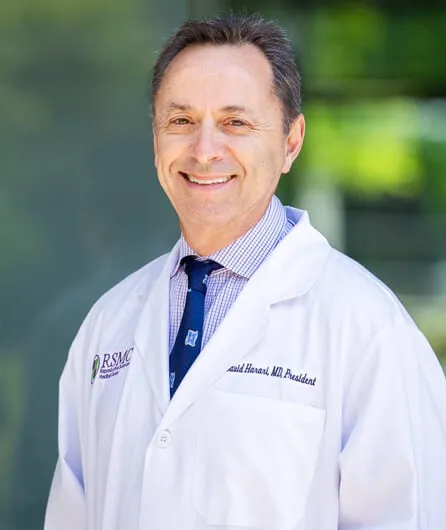
Dr. Ronald Harsani
RSMC President
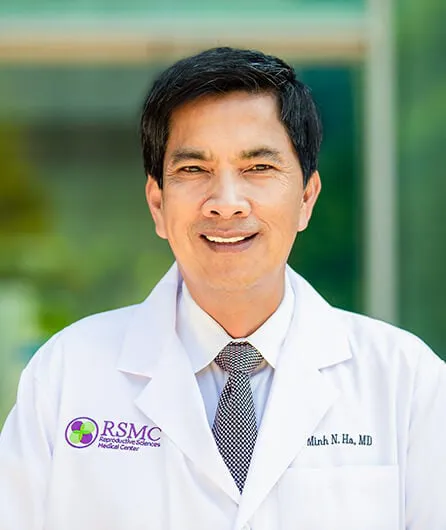
Dr. Minh N. Ha
Reproductive Endocrinology Specialist
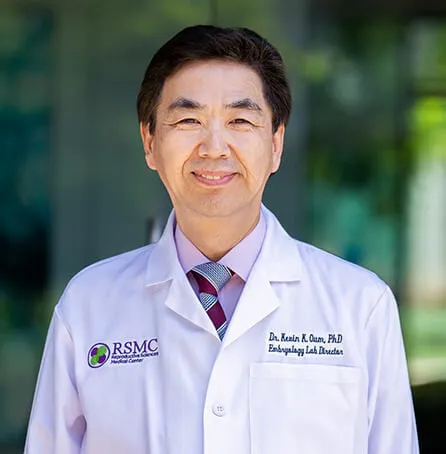
Dr. Kevin K. Oun
Director of the Embryology Laboratory

Dr. Kenneth Vu
Reproductive Medicine Specialist
Celebrating Every Happy Moment


Cancer should not take away your opportunity to become a parent. With science-based fertility preservation and careful surrogacy planning, you can have a healthy baby of your own. Acting early, choosing a professional team, and planning your budget in stages are the three key elements of success.